Forward in Health: AI in Health Care
Wednesday, December 2, 2026
7:30 a.m.–12:30 p.m.
H.F. DeLuca Forum, Discovery Building
330 N. Orchard St.

Join us as we gather to explore advances and best practices in applying artificial intelligence in health care settings. You’ll learn from leaders in their respective fields, with presentations aimed at sharing best practices and fostering cross-campus collaboration. All students, staff, residents, fellows and faculty from our university community are encouraged to attend; advanced reservations are strongly encouraged.
Event Schedule
- 7:30–8 a.m. – Registration and Breakfast
- 8–9 a.m. – Opening and Fireside Chat
- 9–11:15 a.m. – Discussion Panels
- 11:15 a.m.–12:30 p.m. – Multimodal Data Integration for Personalized Medicine Panel Discussion
Fireside Chat
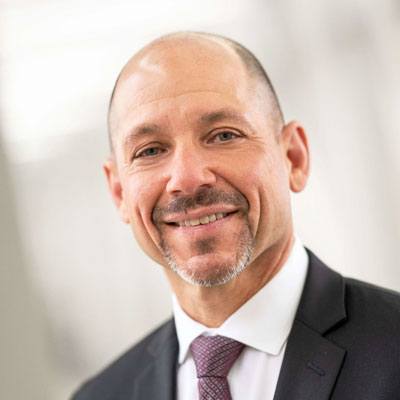
Alan Kaplan, MD
CEO, UW Health
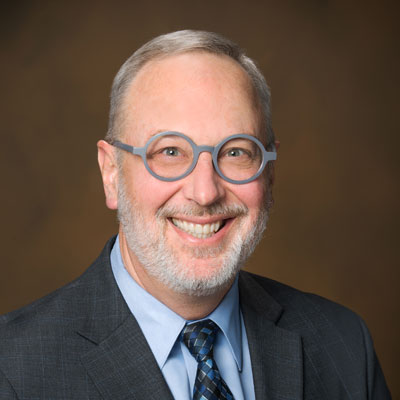
Scott W. Rathgaber, MD
CEO, Emplify Health
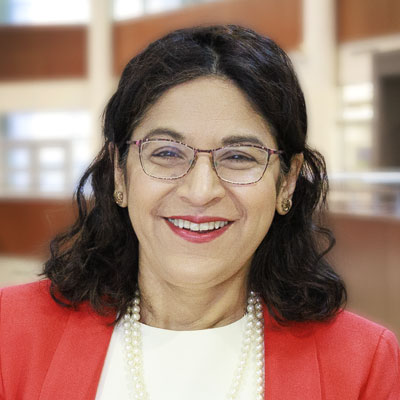
Moderated by: Dean Nita Ahuja, MD, MBA
Dean, UW School of Medicine and Public Health
Alan Kaplan, MD, serves as CEO of UW Health, a multi-state academic health system affiliated with the University of Wisconsin School of Medicine and Public Health and comprised of six main hospitals in Wisconsin and Illinois, and more than 1,800 faculty physicians and 24,000 total employees providing care to more than 800,000 patients annually.
Dr. Kaplan is best characterized as a builder of innovative, transformational and long-lasting partnerships. In his current role he led the post-merger integration of the hospital system and the faculty physician group practice, facilitated a financially integrated Joint Operating Agreement with a non-owned community hospital and expanded a provider-owned health plan by offering equal governance to regional health systems.
Kaplan’s leadership through the turbulent pandemic era positioned UW Health for continued growth through strong fiscal management, innovative workforce strategies and a forward-looking approach to diversity and health equity. Kaplan maintains a strong focus on patient care and serving the academic mission.
Scott W. Rathgaber, MD, serves Emplify Health’s patients, staff and community partners as chief executive officer and a board-certified gastroenterologist.
Dr. Rathgaber served as CEO of La Crosse, Wisconsin-based Gundersen Health System from 2015 to December 2022. When Gundersen merged with Green Bay, Wisconsin-based Bellin Health, Rathgaber became CEO of the new organization, Emplify Health.
Rathgaber joined Gundersen Health System’s gastroenterology unit in 1998 and accepted his first leadership role as gastroenterology section chief in 2005. He served on the Gundersen Board of Governors and on the Gundersen Board of Trustees prior to his appointment to medical vice president in 2012, where he managed hospital operations, pharmacy and several clinical departments.
Rathgaber is a fellow with the American Gastroenterological Association and is a member of the American College of Gastroenterology. Before joining Gundersen, Rathgaber spent five years caring for patients at Burns Clinic in Petoskey, MI, in the gastroenterology and hepatology departments.
Rathgaber holds a medical degree from Indiana University School of Medicine. He completed an internal medicine residency at the University of Minnesota, followed by a fellowship in gastroenterology at Indiana University. In 2022, he completed a master’s in servant leadership at Viterbo University in La Crosse, Wisconsin. His undergraduate degree is from Wabash College in Indiana.
Nita Ahuja, MD, MBA, is the dean of the University of Wisconsin School of Medicine and Public Health and UW–Madison’s vice chancellor for medical affairs. She also serves as rotating chair or vice chair of the board of the UW Hospitals and Clinics Authority and is a professor in the Department of Surgery. Dr. Ahuja holds the Robert Turell Distinguished Chair in Medical Leadership. A renowned surgeon-scientist, she has held top roles at some of the nation’s leading research universities and health systems.
Ahuja is a cancer-care innovator whose treatment approaches and research have garnered international recognition. She is an expert in the treatment of sarcomas and complex gastrointestinal cancers, and her innovative surgical and heated chemotherapy approaches have drawn patients from around the world seeking treatment for difficult metastatic cancers.
A passionate advocate for interdisciplinary approaches to medicine and translating discoveries into treatments, Ahuja has a long history of leading collaborative and cutting-edge research aimed at improving cancer outcomes. Her research laboratory identifies and develops biomarkers to allow early detection of pancreatic and colorectal cancers using patients’ genetic information. She has published more than 300 scholarly articles and book chapters to advance both the surgical and basic science fields.
In May 2025, Ahuja became the tenth dean of the UW School of Medicine and Public Health. She is the first woman to serve in this role.
Prior to joining the school, she was the chair of the Department of Surgery at the Yale School of Medicine for seven years. She also served as the surgeon-in-chief for the Yale New Haven Health System. A skilled and respected leader, Ahuja greatly advanced the mission of Yale’s Department of Surgery. Under her leadership, research funding tripled to more than $17 million, improving its Blue Ridge Institute for Medical Research ranking from 47 to 16. As a champion of a positive organizational culture, she instituted multiple initiatives aimed at increasing collaboration, celebrating the successes of faculty, staff and learners, and fostering an inclusive environment. Prior to her time at Yale, Ahuja was a faculty member and leader in the Department of Surgery at Johns Hopkins University.
Ahuja is a board member of the Association of American Medical Colleges (AAMC), the representative body serving all accredited U.S. and Canadian medical schools and teaching hospitals, and chair of the AAMC’s Council of Faculty and Academic Societies. She is an elected member of the National Academy of Medicine and a fellow of the American College of Surgeons. She is also a member of several of the nation’s most prestigious academic societies, including the American Surgical Association, Society of Surgical Oncology, and Society of University Surgeons. Among other accolades, she has earned the William J. Reinhoff, Jr. Scholar Award, the American Surgical Association Fellowship and the Society of Surgical Oncology Clinical Investigator Award.
Ahuja earned her undergraduate degree from the University of Maryland in biology and mathematics and received her medical degree from Duke University School of Medicine. She completed a general surgery residency and surgical oncology fellowship at The Johns Hopkins University School of Medicine. Ahuja also holds an MBA from Johns Hopkins University.
Panel Discussions
After each section topic there will be 15 minutes for discussion
From Health Records to Healthcare Transformation
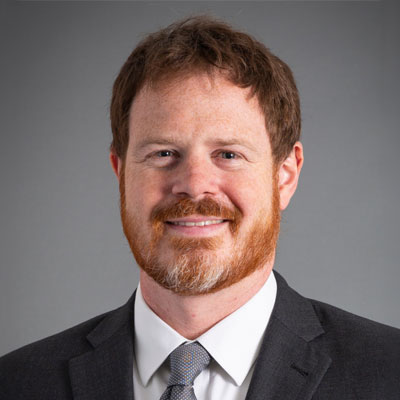
Brian Patterson, MD, MPH
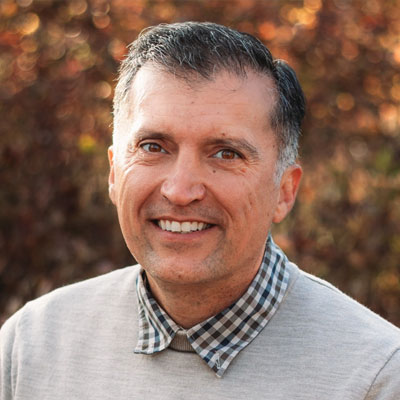
Majid Afshar, MD, MS
Brian Patterson, MD, MPH, is a tenured associate professor and chief of the Division of Emergency Informatics in the BerbeeWalsh Department of Emergency Medicine. He also serves as senior director of health AI at UW Health and the inaugural director of health AI for the UW School of Medicine and Public Health. In these complementary roles, Patterson helps bridge academic discovery and health system implementation, leading strategy and responsible use of artificial intelligence, informatics and predictive analytics to advance patient care, operations, research and education.
Dr. Patterson is a nationally recognized leader in clinical informatics with deep experience applying predictive analytics, machine learning and other emerging technologies in health care. His work focuses on developing practical tools that support clinical decision-making, improve patient outcomes, and reduce burden on clinicians.
Patterson also directs the Emergency Care Systems Lab, where his research focuses on clinical informatics and geriatric emergency medicine. His team uses routinely collected clinical data to develop practical tools that improve the quality and safety of emergency care for older adults. Current work includes automated risk scoring to identify older adults at high risk of falling after an emergency department visit and connecting them with interventions to help prevent future falls.
His research is highly collaborative and brings together investigators from emergency medicine and across UW–Madison, including the Wisconsin School of Business, College of Engineering, and Department of Biostatistics and Medical Informatics.
Majid Afshar, MD, MS, is a tenured associate professor at the University of Wisconsin–Madison and co-leads an AI research lab. He also serves as director of the Learning Health System within the UW School of Medicine and Public Health’s Institute for Clinical and Translational Research (ICTR). Dr. Afshar leads the data science and informatics initiatives for ICTR and focuses on AI-driven interventions in health care. He is associate director of the Learning Health System’s NIH Clinical and Translational Science Award (CTSA).
Afshar has helped build a program to evaluate AI at the bedside, integrating clinical trials with health operations. He guided one of the first real-time large language model pipelines for clinical decision support in addiction care: ambient AI scribes for healthcare practitioners. He is leading initiatives to responsibly deploy generative AI technologies in pragmatic trials.
As a physician-scientist, his research centers on early disease detection using natural language processing and predictive analytics with electronic health record data. He has organized national data challenges to advance diagnostic decision support, serves as a chartered NIH study section member for AI grants, and has co-chaired national informatics conferences.
Afshar has mentored numerous trainees, co-authored the TRIPOD-LLM guidelines for reporting LLM-based research, and has over 200 publications, including lead publications in Nature Medicine, Annals of Internal Medicine, and NEJM AI.
From Pixels to Precision: AI Across the Imaging Continuum
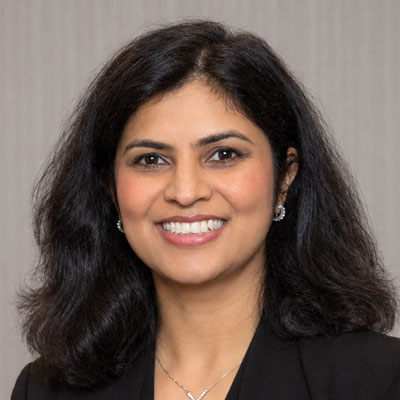
Pallavi Tiwari, PhD
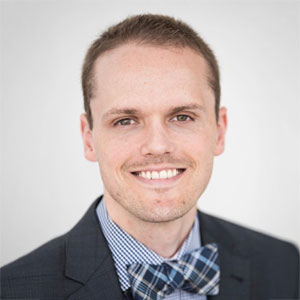
Jeff Nirschl, MD, PhD
Pallavi Tiwari, PhD, is a Vilas Distinguished Associate Professor in the Departments of Radiology, Biomedical Engineering, Biomedical Informatics, and Medical Physics at the University of Wisconsin–Madison and serves as the co-director of imaging and radiation science at the Carbone Cancer Center. She is also a research health scientist at the William S. Middleton Memorial Veterans Hospital. Tiwari’s research interests lie at the intersection of artificial intelligence and computational analysis for diagnostic, prognostic and treatment evaluation solutions in oncology and neurological disorders. So far, her research has evolved into over 120 peer-reviewed publications, and 14 patents (eight issued, six pending). Tiwari has been a recipient of several scientific awards. Most notably, she was named one of 100 women achievers by the government of India in 2015 for making a positive impact in the field of science and innovation. In 2018, she was selected as one of Crain’s Cleveland Business Forty under 40. She has also been awarded the J&J Women in STEM (WiSTEM2D) Scholar Award in Technology, the Honorary Early Career Achievement Award (2019) and the Imaging Informatics Innovator Award (2023) through the Society for Imaging Informatics in Medicine. She has also been inducted as a senior member to the National Academy of Inventors as well as to the Council of Distinguishing Investigators in the Academy for Radiology and Biomedical Research. Tiwari’s research is funded through the National Cancer Institute, Veterans Affairs, Department of Defense, and various foundation and state grants.
Bio coming soon.
From Genome to Bedside: AI-Powered Precision Medicine
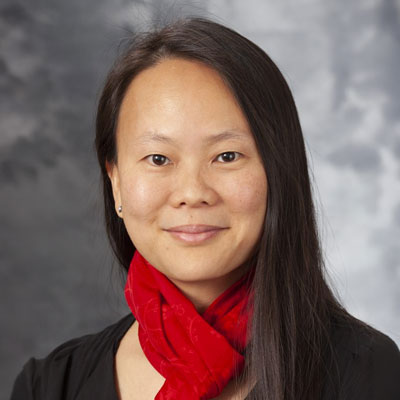
Irene Ong, PhD
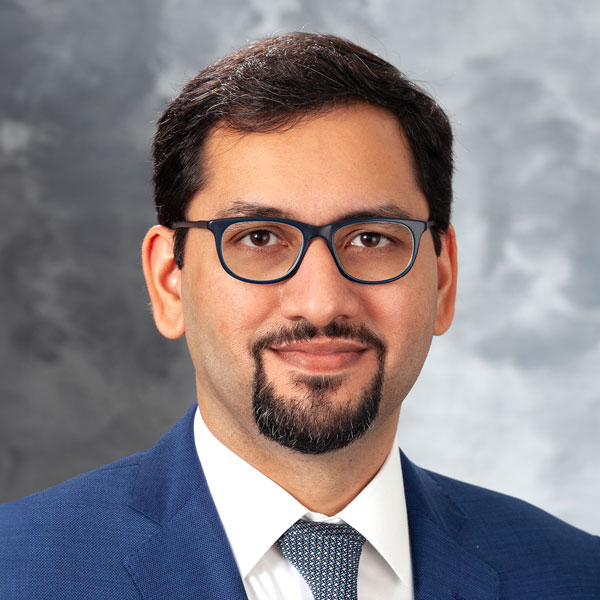
Muhammed Murtaza, MBBS, PhD
Spotlight on tie in to RISE AI
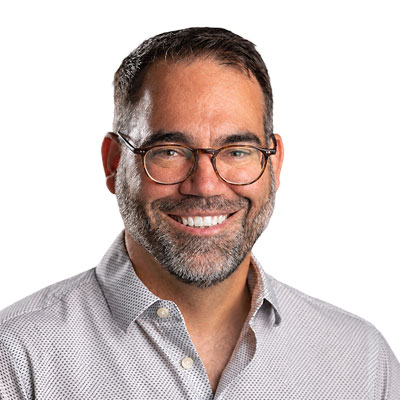
Kyle Cranmer, PhD
Multimodal Data Integration for Personalized Medicine Panel Discussion
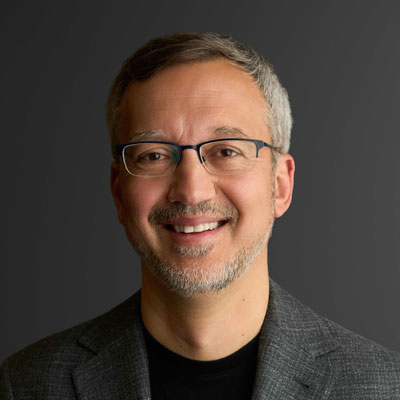
Moderated by: Remzi Arpaci-Dusseau, PhD
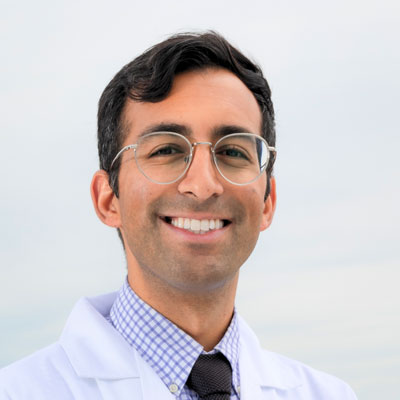
Erkin Ötleş, MD, PhD
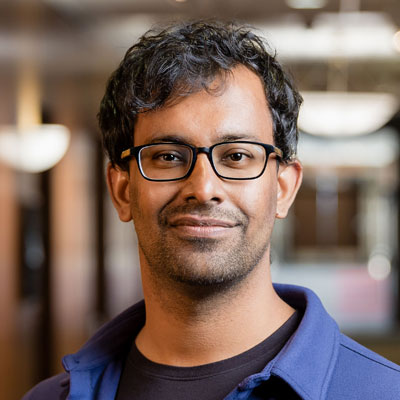
Dhananjay Bhaskar, PhD
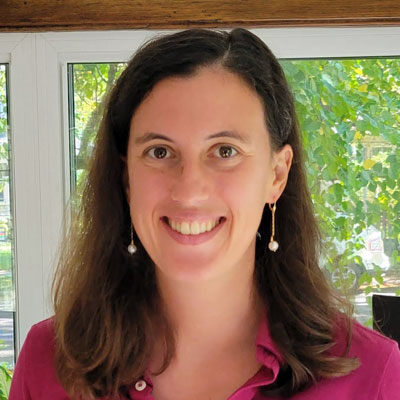
Maja Waldron, PhD
Remzi Arpaci-Dusseau, PhD, is the founding dean of the University of Wisconsin–Madison’s College of Computing & Artificial Intelligence (CAI), where he is also a Vilas Distinguished Achievement Professor in the Department of Computer Sciences. Remzi co-leads a research group with Professor Andrea Arpaci-Dusseau. Together, they have graduated 37 PhD students and won numerous best-paper awards; many of their innovations are used by commercial systems. For their work, the two received the 2018 ACM-SIGOPS Mark Weiser Award for outstanding leadership, innovation and impact in storage and computer systems research. Remzi was named a Fellow of the ACM for contributions to storage and computer systems, and a Fellow of the AAAS for distinguished contributions to computer systems research and development of computing systems with concomitant devotion to computing education for everyone. He has won the SACM Professor-of-the-Year Award seven times, the Rosner Excellent Educator Award, and the Chancellor’s Distinguished Teaching Award. The operating systems book he co-authored with Andrea Arpaci-Dusseau, OSTEP, is free to all, has been downloaded millions of times yearly and is used at hundreds of institutions worldwide.
Bio coming soon.
Bio coming soon.
Maja Waldron, PhD, is an Assistant Professor of Statistics at the University of Wisconsin–Madison. Her research develops statistical methods for trustworthy and efficient AI, with a focus on uncertainty quantification, conformal prediction, and deep probabilistic modeling. Before joining UW–Madison, she was a research scientist at the Bosch Center for AI.
Questions about this event? Email the SMPH signature events team.
Accessibility Statement
The University of Wisconsin School of Medicine and Public Health is committed to accessibility. If you need an accommodation to attend or participate in this event, please email the SMPH signature events team. We ask that accommodation requests be made no less than two weeks before an event. We will make a thorough attempt to fulfill requests made after this date but cannot guarantee they will be met.