Physician Assistant students reflect on Native American Heritage Month
This Native American Heritage Month, we are highlighting students who are part of the Tribal Health Path of Distinction in the school’s Physician Assistant program. The Tribal Health Path of Distinction (PoD) is open to all physician assistant students interested in learning more about how to improve Tribal health.
Felix Mannella
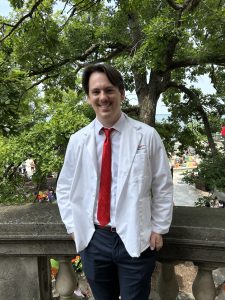
Why did you want to be part of your program’s Tribal Health PoD?
I was immediately drawn to the Tribal Health PoD for various reasons. One particular motivation stems from my Native American heritage: Sisseton Wahpeton Oyate of the Lake Traverse Reservation. I believe that my medical training should be at least partially focused on the well-being of my family and friends, who have paved the way for me. Growing up, I had the privilege of participating in numerous school activities that helped me explore my cultural identity and understanding of my roots. As I matured, I realized the vastness of the knowledge I still lacked about my ancestors and the current challenges faced by Native American communities. This realization made me understand that the Tribal Health PoD was the ideal platform for me to gain a deeper understanding of how I can positively contribute to this group of people in my future medical career.
What has been your most impactful experience so far as part of the PoD?
My most impactful experiences so far have been from both the classwork portion of the PoD and my clinical experience. As a requirement for the PoD, we attend a class called American Indian Health, History, and Tribal Governance. This class delves into the history and health issues surrounding Native Americans, particularly in Wisconsin. One of the key takeaways from the class was the prevalence of common diseases like diabetes and hypertension among the Native population. While these diseases may not be different physiologically between Natives and non-natives, they have a profound impact on Native people due to limited access to proper health resources. Armed with this knowledge, I participated in a Family Medicine Clinical Rotation in Black River Falls, Wisconsin, at the Ho-Chunk Health Care Center. This experience provided me with firsthand insights into the significant role healthcare plays in the lives of Native Americans and the prevalence of common preventable diseases within this community. It also highlighted the lasting impact of the history of trauma that the Native American population has endured for multiple centuries on their current health.
Jessi Scrima-Bailey
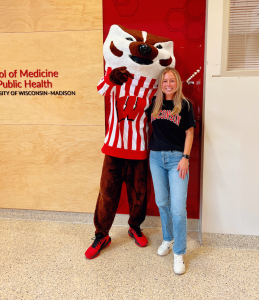
Why did you want to be part of your program’s Tribal Health PoD?
I wanted to be a part of the Tribal Health PoD for many reasons! I wanted to learn more about Native American culture, traditions and history. My father was a member of the Grand Traverse Band of Ottawa and Chippewa and was very proud of his heritage. He passed down an appreciation of nature, helping each other, and forming community. This program is providing me the opportunity to complete my Family Medicine rotation at a tribal clinic and hopefully work for a tribe during my career as a PA.
What has been your most impactful experience so far as part of the PoD?
I am currently in my Family Medicine rotation at the Oneida Community Health Center in Green Bay, Wisconsin. This experience has been really special. I had the opportunity to attend a tour around the tribal lands, learning about the history. There are many areas dedicated to spending time together outside, forming a close-knit community. At the clinic, everyone is kind and patient with each other, and I have really enjoyed spending time with patients who come from Native backgrounds. I am learning more about working with the native population and the importance of building trusting relationships with every patient.